
Before EchoControl could take a single real payment, one payment provider said no. Not because we did anything wrong. Because of the category they put us in.
Their review placed EchoControl under "gaming-related modifications, macros, and automation software." They named voice-activated in-game controls as a specific example, and flagged it as too risky to approve.
There was no appeal. The answer was final. They didn't even give us the option to send extra documentation or talk to someone — an automated email, a decision, and that was it.
What struck us most was that neither they nor we were arguing about what EchoControl actually does. We were arguing about which mental drawer it belonged in. And in their drawer, "voice" and "macro" lived together.
Why one label mattered that much
That rejection forced us to ask a question we hadn't taken seriously enough until then: is EchoControl "automation," or is it something else?
To us, the difference seemed clear. EchoControl connects a spoken word to a single keypress — the same thing your hand does when it presses a key, just now triggered by your voice instead of your finger. It doesn't play the game for you. It doesn't chain actions together, the way an actual macro tool does. It doesn't act on its own.
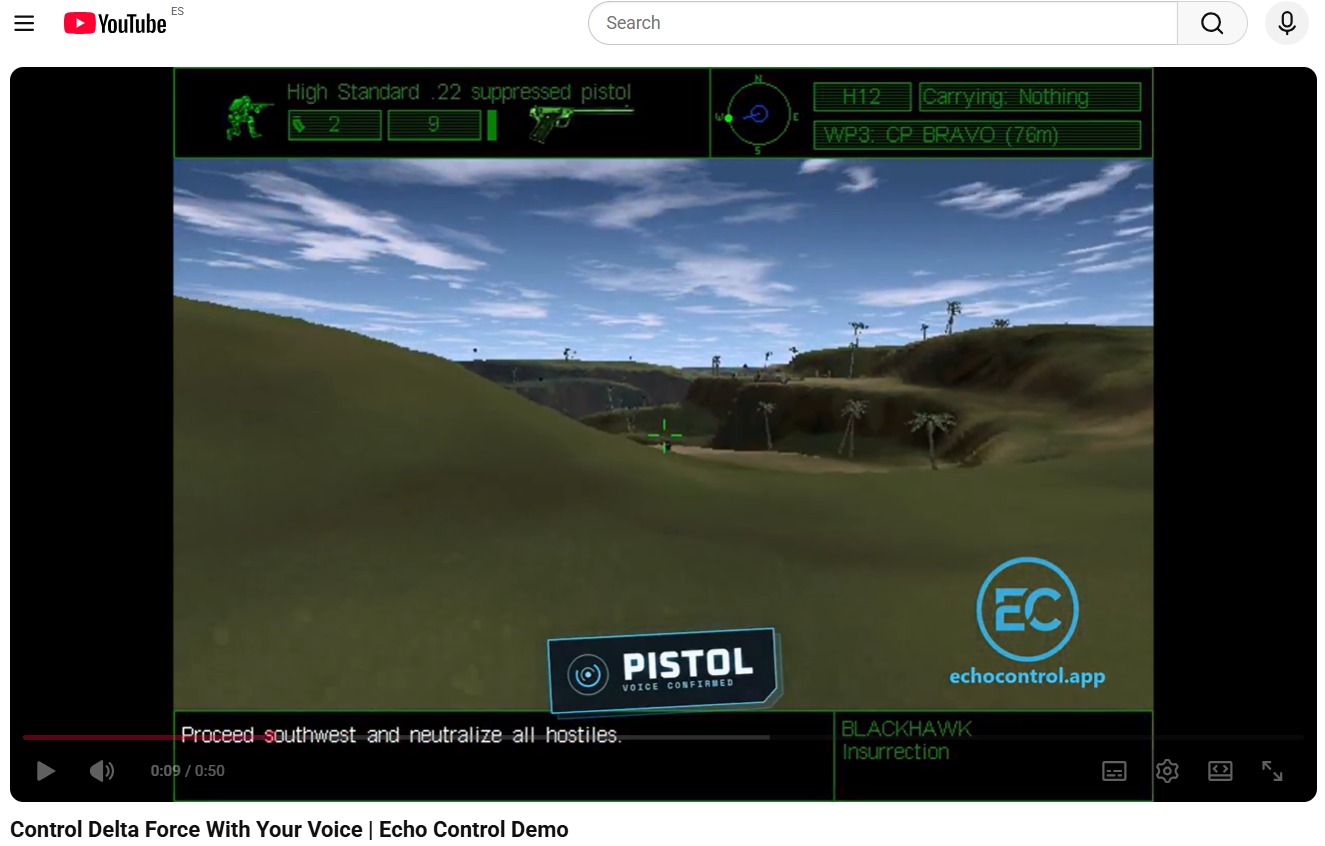
But "clear to us" and "clear to a payment provider's risk team" turned out to be two completely different things.
We checked the public rules of the provider we switched to afterward. Their rules didn't ban voice-controlled game input the way the first provider's did.
That difference, not any marketing strategy, is the real reason we switched providers.
The word we picked, and kept using everywhere
Getting rejected once was enough to make us start weighing every word from then on. Since that moment, we describe EchoControl as voice input software — like dictation tools or accessibility software that turns voice into text or into an action.
We avoid these words everywhere — on the site, in blog posts, in support replies:
- automation
- macros
- cheats
Not because those words are always wrong. Because they're exactly the words that got us rejected once, and we don't want to find out if another provider reads them the same way.
We also had a backup plan ready, in case the next provider said no too: other payment companies that work specifically with games, used to this kind of product and without the same allergy to the word "voice." A second rejection would have delayed the launch, not stopped it.
That backup plan was never needed. But just having it ready made the whole decision weigh a lot less. It's the difference between making a decision with room to breathe and making it with the launch date breathing down your neck.
What stuck with us after that rejection
If you've ever wondered why we always use the exact phrase "voice input software," instead of something with more punch — this is why. One rejection was enough to make that word choice permanent. It wasn't a marketing decision made ahead of time; it was a scar that turned into a rule.
Try EchoControl and judge the label for yourself.